- Posted by: blignos
- Published: 22-07-2026
- Category: Security articles
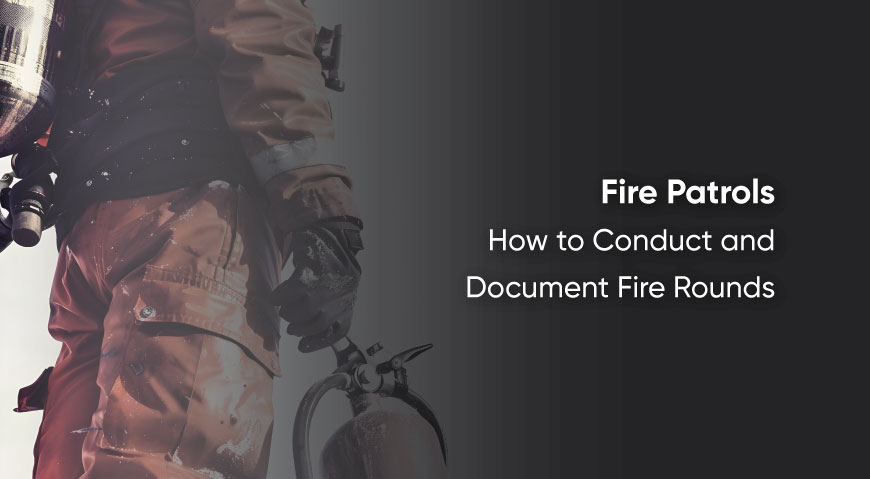
Fire Patrols Explained: How to Conduct and Document Effective Fire Rounds
Table of Contents
- What Is a Fire Patrol?
- Why Are Routine Fire Rounds Important?
- Fire Patrol vs Fire Watch: What Is the Difference?
- What Should Personnel Check During a Fire Patrol?
- How to Organize an Effective Fire Patrol
- Common Problems with Paper-Based Fire Checks
- How QR-Patrol Supports Digital Fire Patrols
- Fire Patrol Applications Across Different Industries
- How to Improve Fire Patrol Documentation
- Common Fire Patrol Mistakes to Avoid
- Building a More Accountable Fire Safety Process
- Turn Fire Walks into Documented, Actionable Patrols
Fire safety depends not only on having the right equipment installed but also on ensuring that this equipment remains accessible, visible and ready for use. A fire extinguisher may be fully serviced but blocked by stored materials. An emergency exit may exist but be difficult to open. A fire door may be damaged or held open, while an escape route may gradually become obstructed during daily operations.
A structured fire patrol helps organizations identify these issues before they affect emergency readiness. Through scheduled fire walks, trained or authorized personnel follow a predefined route, inspect important areas and equipment, document their observations and report anything requiring attention.
These patrols are particularly valuable in hotels, ships, factories and other complex environments where conditions can change throughout the day. However, completing a patrol is only part of the process. Organizations also need reliable evidence that each round took place, clear records of what was checked and a consistent way to manage identified issues.
This guide explains what a fire patrol is, how to organize effective fire rounds and how digital patrol management can strengthen documentation, accountability and follow-up.
What Is a Fire Patrol?
A fire patrol is a planned round during which designated personnel inspect areas of a building, vessel or industrial site for visible fire hazards and operational fire safety concerns.
Depending on the organization and its risk profile, the patrol may include checking fire extinguishers, fire doors, emergency exits, escape routes, alarm points, emergency lighting and other fire safety equipment. Personnel may also look for blocked access, damaged signage, combustible materials stored in unsuitable locations or changes that could interfere with established fire procedures.
The exact scope and frequency of the patrol should be determined by the organization’s risk assessment, internal procedures and applicable local or industry-specific requirements.
The terms fire patrol, fire rounds, fire walks and fire checks are sometimes used interchangeably. In practice, they all describe a similar operational activity: people physically moving through designated areas to verify that expected fire safety conditions are being maintained.
A fire patrol is not the same as a formal technical inspection or scheduled maintenance performed by a qualified fire protection professional. It should support—not replace—required servicing, certification, testing or regulatory inspections.
Why Are Routine Fire Rounds Important?
Buildings and operational environments do not remain static. Furniture is moved, deliveries arrive, maintenance work takes place, equipment is relocated and temporary materials are stored. Any of these everyday activities can create a new hazard or reduce access to essential safety equipment.
Regular fire rounds provide a practical way to observe these changing conditions. They allow personnel to identify visible issues between formal inspections and scheduled maintenance visits.
For example, a routine patrol may reveal that an emergency exit has been obstructed by supplies, a fire extinguisher is missing from its assigned position, a fire door is not closing correctly or an illuminated exit sign appears damaged. Individually, these issues may seem minor. During an emergency, however, they can affect evacuation or delay the use of fire safety equipment.
Consistent patrols can also strengthen operational accountability. When each round follows a documented route and checklist, managers have greater visibility into what was inspected, when it was checked and whether any corrective action remains outstanding.
Fire Patrol vs Fire Watch: What Is the Difference?
It is important to distinguish a routine fire patrol from a formal fire watch.
A routine fire patrol is typically part of an organization’s ongoing preventive safety process. It may be conducted daily, weekly or according to a site-specific schedule to identify hazards and confirm that key areas and equipment remain accessible.
A fire watch is usually a more specific temporary measure. It may be required when a fire alarm, sprinkler system or other fire protection system is impaired or unavailable. Fire watch activities may have defined intervals, personnel responsibilities, notification procedures and documentation requirements established by the relevant authority, insurer or local regulation.
Although both involve physical rounds, an ordinary patrol management system should not be presented as automatically satisfying every fire watch requirement. Organizations must determine what is required for their facility and jurisdiction.
Digital patrol tools can help document either process, but the patrol schedule, staffing, procedures and response requirements must be defined by qualified personnel and the applicable authority.
Learn How to Inspect a Fire Extinguisher
Follow a practical step-by-step guide for checking an extinguisher’s location, condition, pressure, accessibility and inspection records.
What Should Personnel Check During a Fire Patrol?
Every fire safety inspection route should reflect the actual environment. A hotel, passenger vessel and manufacturing plant will not have identical layouts, hazards or operating procedures.
Nevertheless, several categories are commonly included in routine fire safety checks.
Fire Extinguishers
Personnel can confirm that fire extinguishers are present in their designated locations, clearly visible and accessible. They can look for obvious physical damage, missing identification, signs of tampering or anything preventing immediate access.
Where visual inspection of a pressure indicator forms part of the organization’s approved procedure, the result can also be recorded. Any concern should be reported for assessment by the responsible person or a qualified fire protection professional.
A routine patrol check does not replace the technical inspection, maintenance or certification of an extinguisher.
Emergency Exits and Escape Routes
Emergency exits should remain accessible and free from stored materials or other obstructions. Corridors, staircases and designated escape routes should also be checked for conditions that could delay evacuation.
Personnel may verify that required signs are visible and report doors that appear damaged, obstructed or difficult to operate. Any concern involving an escape route should be escalated according to the site’s established procedure.
Fire Doors
A patrol may include a visual check of fire doors for obvious damage or obstruction. Personnel can report doors that are held open when they should not be, fail to close as expected or have objects interfering with their operation.
More detailed fire door inspections must be conducted by people with the appropriate competence and according to applicable requirements.
Emergency Lighting and Exit Signs
Fire walks can help identify emergency lights or illuminated exit signs that appear damaged, missing or non-operational. These observations should be documented and referred to the appropriate maintenance team.
Routine observations do not replace required functional testing or servicing.
Alarm Points and Detection Equipment
Personnel may visually check whether manual call points, alarms, smoke detectors or similar devices are visible and unobstructed. They should not perform technical tests unless this is part of an approved procedure and they are authorized to do so.
Housekeeping and Visible Hazards
Good housekeeping is a central part of fire prevention. A patrol can identify accumulated waste, improperly stored combustible materials, blocked electrical panels, damaged cables or unsafe conditions related to temporary work.
The purpose is not to turn patrol personnel into technical inspectors. It is to provide them with clear instructions about what they can observe, what they must document and when they should escalate an issue.
Create Clear, Audit-Ready Fire Watch Logs
Learn what a fire watch log should include and how to document patrol activity, observations and corrective actions.
How to Organize an Effective Fire Patrol
An effective patrol begins long before someone starts walking around the site. Managers need to define its purpose, locations, schedule, responsibilities and documentation requirements.
1. Define the Scope of the Patrol
Start by identifying what the patrol is expected to accomplish. Is it a routine daily fire walk? Is it an end-of-shift check? Does it focus on escape routes, extinguishers or high-risk production areas? Is it being introduced because conditions have temporarily changed?
The scope should be based on the site’s risk assessment, approved procedures and applicable requirements.
2. Identify Critical Locations
Map the areas that must be visited during every round. These may include entrances, corridors, staircases, plant rooms, storage areas, kitchens, loading zones, production spaces and accommodation areas.
Managers can also identify specific assets that personnel must locate and inspect, such as fire extinguishers or designated emergency equipment.
3. Create a Clear Route
A predefined route helps personnel complete the patrol consistently. It reduces the possibility of important areas being forgotten and makes the process easier to supervise.
The route should be practical and reflect the layout of the site. Large facilities may require multiple routes or different patrol schedules for separate zones.
4. Establish the Schedule
The frequency of fire rounds should not be chosen arbitrarily. It may vary according to occupancy, operating hours, changes in risk, local requirements and the availability of automatic protection systems.
A hotel may need checks during different shifts because guest activity and staffing levels change throughout the day. A factory may schedule additional rounds during maintenance, shutdowns or hot work. A ship may organize checks according to its safety management procedures and operational conditions.
5. Provide Clear Instructions
Personnel need to understand what they are expected to observe and what is outside their responsibility. Instructions should be specific enough to support consistent decisions.
Instead of asking whether an area is “safe,” a form can ask whether an emergency exit is unobstructed, whether a fire extinguisher is present or whether visible damage has been identified.
6. Define the Escalation Process
A completed inspection form is not the end of the process. Managers must decide what happens when someone reports a blocked exit, damaged fire door, missing extinguisher or other issue.
The process should define who receives the report, how urgent cases are escalated, how corrective work is assigned and how completion is confirmed.
Digitize Your Fire Inspection Workflow
Learn how fire inspection software connects scheduled checks, digital records, incident reporting and corrective actions.
Common Problems with Paper-Based Fire Checks
Paper checklists can provide a basic record, but they also create operational limitations. Forms may be completed late, answers can be difficult to read and managers may not know whether every required location was physically visited.
Paper records can also become disconnected from corrective action. A problem may be written on a checklist but never reach the team responsible for resolving it. Even when work is completed, the original observation, assigned action and final resolution may be stored in separate places.
This fragmentation makes it difficult to answer important questions:
 Was the patrol completed at the required time?
- Were all designated locations visited?
- What exactly was observed?
- Which issues remain open?
- Who is responsible for the corrective work?
- Is there a complete record available for an internal or external review?
Digital patrol management helps connect the physical round with its documentation and follow-up.
How QR-Patrol Supports Digital Fire Patrols
QR Patrol is a guard tour and patrol management system that connects a web application used by managers with a mobile application used by personnel in the field. Organizations can use its patrol features to structure and document operational fire rounds.
It does not replace a fire alarm, fire protection system, risk assessment or certified technical inspection. Instead, it supports the management of human patrol activities and the information collected during them.
Verify Locations with Checkpoints
Managers can assign QR codes, NFC tags or Beacons as checkpoints through the QR Patrol web application. Each checkpoint is connected to a specific client, site and location.
For a fire patrol, checkpoints can be positioned at selected locations or near relevant equipment, according to the organization’s operational plan. For example, a checkpoint might identify an emergency exit area, a fire extinguisher location or a high-risk section of a facility.
Managers can then create predefined tours for assigned personnel. When a checkpoint is scanned during the patrol, QR Patrol records the patrol activity and connects the physical location with the mobile and web applications.
This provides stronger evidence that the person carrying out the round visited the designated checkpoint. However, a checkpoint scan confirms the patrol interaction at that point; the accompanying inspection process and information entered by the user establish what was observed.
Collect Structured Information with Mobile Forms
QR Patrol Mobile Forms allow Patrol Managers to send instructions, ask questions and collect comments or other information from personnel.
A form can be assigned to one or more checkpoints. When the checkpoint is scanned, the relevant form appears in the mobile application for the guard or assigned user to complete.
For a fire safety inspection, a form could include questions such as:
- Is the fire extinguisher present and accessible?
- Is the emergency exit free from obstruction?
- Is the fire door visibly damaged or obstructed?
- Is the exit signage visible?
- Have any new hazards been identified?
- Is further action required?
This approach helps organizations standardize their routine checks. Instead of relying on unstructured notes, managers can define the information that should be collected at each location.
Mobile Forms are available with a QR Patrol PRO account and should be configured to match the organization’s procedures and responsibilities.
Report Problems as Incidents
If personnel identify an issue during a fire round, they can report it as an incident through QR Patrol. This allows the finding to be recorded and communicated rather than remaining only as an answer within a checklist.
For example, a guard who finds a blocked emergency exit can submit an incident with relevant information from the location. The responsible managers can then review the report and determine the appropriate response.
Incident reporting is particularly important when an observation requires attention beyond the patrol itself.
Manage Corrective Actions with Issue Management and Work Orders
Issue Management covers the handling of incidents, emergencies and pending actions from the time they are reported until they are resolved. Supported issues can include incidents, SOS or ManDown alerts and pending actions.
When work is required to resolve a reported issue, managers can create a Work Order. A Work Order describes the work that needs to be performed and can include a due date, location, required tools, necessary skills and other relevant details.
Consider a fire door that is reported as damaged during a patrol. The incident records the original observation. Issue Management provides a way to follow the issue, while a Work Order can describe the repair that must be completed by the appropriate team.
This creates a more connected workflow:
Checkpoint scan → Mobile Form → Incident → Issue → Work Order → Resolution
The goal is not simply to record that something was wrong. It is to help the organization follow the issue until the necessary action has been completed.
Build a Complete Fire Inspection Check List
Discover what personnel should check during routine fire inspections, from alarms and extinguishers to escape routes and fire doors.
Fire Patrol Applications Across Different Industries
Hotels and Hospitality
Hotels combine guest rooms, kitchens, laundry areas, storage rooms, plant spaces, corridors and public areas within one operating environment. Conditions can change throughout the day as guests, staff, contractors and deliveries move through the property.
Structured fire walks can help hotel teams check emergency exits, escape routes, fire doors and equipment locations across different shifts. Digital forms also create consistent records between departments and properties.
Ships and Maritime Operations
Ships have complex layouts, restricted spaces and industry-specific safety procedures. Patrol routes may cover accommodation areas, machinery spaces, storage areas and other designated locations.
Any fire patrol process on a vessel must follow the vessel’s approved procedures and applicable maritime requirements. QR Patrol can support the scheduling and documentation of human rounds, but it does not replace mandatory shipboard systems, drills, logs or inspections.
Factories and Industrial Facilities
Factories may contain machinery, electrical installations, combustible materials, high-temperature processes and areas with restricted access. Operational conditions can also change during production, maintenance or shutdown periods.
A documented fire prevention inspection route can help teams identify visible hazards, confirm access to designated equipment and escalate maintenance needs. Checkpoints and forms can be adapted to different zones so that the questions asked reflect the activity and risk of each area.
How to Improve Fire Patrol Documentation
Good documentation should make the patrol easy to review without creating unnecessary complexity for the person completing it.
Each record should clearly identify the date and time, assigned person, route or location, checkpoints visited, observations recorded and issues reported. Where corrective action is required, the organization should also be able to connect the original finding with its progress and resolution.
Managers should review forms periodically. If personnel consistently misunderstand a question, the wording may need to change. If the same issue appears repeatedly at one location, this may indicate a broader operational problem rather than an isolated incident.
Records should also be retained according to the organization’s internal policy and applicable requirements. A digital system can make information easier to organize and retrieve, but it is still the organization’s responsibility to define suitable recordkeeping rules.
Common Fire Patrol Mistakes to Avoid
A patrol can lose much of its value when it becomes a repetitive box-ticking exercise. Common problems include using the same generic checklist for every location, failing to update routes after layout changes and collecting reports without assigning corrective action.
Another mistake is treating a completed checkpoint scan as proof that the equipment itself is safe. A scan confirms an interaction with the checkpoint; it does not independently assess the condition of an extinguisher, fire door or alarm. The quality of the process still depends on clear instructions, trained personnel and appropriate review.
Organizations should also avoid presenting routine patrols as replacements for professional inspections or technical maintenance. A fire and life safety inspection may require specialized competence, documented testing or certification that falls outside the role of patrol personnel.
Building a More Accountable Fire Safety Process
An effective fire patrol connects three essential elements: physical presence, structured inspection and corrective action.
Personnel must visit the required locations. They must know what to observe and document. When they identify a problem, the finding must reach the people who can resolve it.
QR Patrol supports this workflow by connecting assigned tours, checkpoint scans, Mobile Forms, incident reporting, Issue Management and Work Orders. This gives managers a clearer view of patrol activity and helps prevent reported concerns from becoming disconnected from the actions required to address them.
Technology alone cannot define an organization’s fire safety responsibilities. Patrol routes, frequencies, inspection questions and escalation processes must be based on the site’s risks, approved fire procedures and applicable legal or industry requirements.
When these foundations are in place, digital patrol management can make routine fire checks more consistent, traceable and actionable.
Turn Fire Walks into Documented, Actionable Patrols
Fire rounds should do more than confirm that someone followed a route. They should produce useful information, highlight visible concerns and support timely corrective action.
With QR Patrol, organizations can assign checkpoints to key locations, display Mobile Forms when checkpoints are scanned, report incidents from the field and manage issues through Work Orders until they are resolved.
Want to see how QR Patrol can support fire patrols across your facilities? Book a free demo and explore a more structured way to conduct and document every round. today.