
- Posted by: blignos
- Published: 12-12-2025
- Category: Security articles
Physical Security Systems Explained: How Mobile Guard Tour Software Completes the Security Stack
Physical security systems are the foundation of safety for organizations across every industry. From office buildings and hospitals to hotels, industrial facilities, and critical infrastructure, businesses rely on physical security to protect people, property, and operations.
Traditionally, physical security systems have focused on hardware: cameras, alarms, access control, and perimeter protection. While these technologies remain essential, modern threats, compliance demands, and operational complexity have exposed a critical gap — real-time visibility into human security operations.
This is where mobile guard tour software plays a decisive role. In this article, we explain what physical security systems are, how they have evolved, and why solutions like QR-Patrol are now essential to building a complete, modern security stack.
What Are Physical Security Systems?
Physical security systems refer to the combination of people, processes, and technologies designed to prevent unauthorized access, detect incidents, and respond effectively to security threats in the physical world.
The primary objectives of physical security systems include:
 Prevention of unauthorized entry or harmful actions
- Detection of incidents and anomalies
- Response to emergencies and security breaches
- Accountability through documentation and reporting
Physical security systems are deployed across a wide range of environments, such as:
- Corporate offices and business parks
- Manufacturing and logistics facilities
- Healthcare institutions
- Hospitality and leisure venues
- Educational campuses
- Public and critical infrastructure
As threats become more dynamic and regulatory requirements more demanding, physical security systems must evolve beyond static tools and manual processes.
Core Components of Traditional Physical Security Systems
Most physical security systems are built around a set of well-established components. While effective, these elements often operate in isolation.
Access Control Systems
Access control systems regulate who can enter specific areas using keycards, PINs, biometrics, or mobile credentials. They are excellent for restricting access but provide limited insight into what happens after entry.
Video Surveillance (CCTV)
Cameras offer visual monitoring and post-incident evidence. However, they are largely passive and depend on human attention. Incidents may go unnoticed in real time if no one is actively monitoring the feeds.
Alarm and Intrusion Detection Systems
Alarms notify teams of unauthorized access or breaches, but they are reactive by nature. Their effectiveness depends on how quickly and accurately human responders act.
While these components are critical, they do not actively manage or verify on-site security patrols, which remain a cornerstone of physical security.
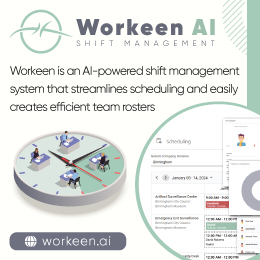
Optimize Your Scheduling with Workeen AI
Transform your workforce management with Workeen AI, the AI-powered shift management system designed to simplify scheduling for industries with round-the-clock operations. Effortlessly create efficient rosters, manage unexpected absences, and ensure fair work distribution with predictive insights and real-time updates. Boost productivity and compliance while keeping your team informed through instant communication tools.
The Missing Link in Physical Security Systems: Active Guard Operations
Despite advances in technology, security guards remain indispensable to physical security systems. Guards perform patrols, assess risks, respond to incidents, and provide a visible deterrent.
However, traditional guard operations face persistent challenges:
- Manual or paper-based patrol logs
- Lack of real-time oversight
- No objective proof of presence
- Delayed incident reporting
- Limited accountability and compliance visibility
Without digital tools, even the most advanced physical security systems suffer from blind spots. This gap has led to the rise of mobile guard tour software as a critical layer in modern security architectures.
Request a Demo Account
Discover how QR-Patrol fits into your existing physical security systems. Get a personalized demo and explore features like live tracking, SOS alerts, and compliance reporting.
What Is Mobile Guard Tour Software?
Mobile guard tour software digitizes and automates the way security patrols are conducted, monitored, and reported. Using smartphones and smart checkpoints, guards can verify patrols, report incidents, and communicate in real time.
QR-Patrol is a leading example of this technology.
What Is QR-Patrol?
QR-Patrol is a leading cloud-based guard tour and safety management platform, trusted in more than 80 countries. Built for modern teams operating in the field, it provides real-time visibility, faster incident response and automated reporting — ensuring every patrol is tracked, verified and fully documented.
Using QR codes, NFC, BLE/Beacon technology and location-based checkpoints (geofenced areas), QR-Patrol delivers accurate proof of presence and live operational insights, helping organizations reduce risk, improve accountability and maintain consistent service quality across all sites.
QR-Patrol supports security companies, facility managers, and multi-site organizations by centralizing patrol data, improving operational consistency and reducing time spent on manual processes.
How Mobile Guard Tour Software Completes the Physical Security Stack
When integrated into physical security systems, mobile guard tour software transforms passive security into proactive, measurable operations.
Real-Time Monitoring and Visibility
QR-Patrol allows supervisors to monitor patrols and incidents in real time. Missed checkpoints, deviations, or emergencies are instantly visible, enabling immediate response.
Proof of Presence and Accountability
With virtual checkpoints and GPS tracking, QR-Patrol provides objective proof that guards are present at designated locations. This eliminates disputes, improves accountability, and strengthens client trust.
Faster Incident Detection and Response
Security personnel can report incidents instantly using mobile forms, photos, videos, and audio. Panic button and SOS functionalities ensure that critical situations receive immediate attention.
Compliance and Audit Readiness
Digital patrol logs, automated reports, and historical data create a complete audit trail. Organizations can demonstrate compliance with safety protocols and regulatory requirements effortlessly.
Key Features That Strengthen Physical Security Systems with QR-Patrol
QR-Patrol incorporates all the essential capabilities of a smart guard tour system, making it a natural extension of any physical security setup.
- Real-Time Incident Reporting: Guards become the “eyes and ears” on the ground, reporting incidents as they happen with rich multimedia data. Managers can respond, escalate, or coordinate actions immediately.
- Alerts and Notifications: Automatic alerts notify supervisors of missed checkpoints, SOS activations, or abnormal events, ensuring no critical situation is overlooked.
- Geofencing and GPS Tracking: Virtual boundaries help ensure patrols stay within assigned areas. GPS tracking provides precise location data, improving safety and operational control.
- Task and Work Order Management: Assign tasks, manage work orders, and track completion in real time, aligning security operations with broader facilities management processes.
- Proof of Presence and Task Completion: QR-Patrol verifies patrol execution objectively using GPS or indoor location technology, ensuring guards follow assigned routes and complete required tasks.
Advanced Capabilities for Modern Physical Security Systems
Beyond basic patrol management, QR-Patrol introduces advanced features that elevate physical security operations.
- SOS and Personal Safety Functions: Guards can trigger emergency alerts using an in-app panic button, external SOS button, or mandown sensor. These features provide peace of mind and can be life-saving in critical situations.
- Mobile Forms and Structured Reporting: Replace paper-based reports with mobile forms attached to checkpoints. Collect consistent, high-quality data while providing instructions directly to guards in the field.
- QR-Patrol MARS for Supervisors: Managers and supervisors receive real-time notifications on their mobile devices, allowing them to stay informed and respond even when away from their desks.
- AI Reports for Instant Insights: The AI Reports enables users to ask natural-language questions directly within QR-Patrol and instantly receive reports. Queries like “Show all incidents in the last 7 days” or “Which guard triggered SOS alerts today?” deliver immediate insights without manual filtering.
- Time & Attendance: Track working hours, breaks, and check-ins accurately. Time & Attendance improves shift management and ensures transparency for mobile workforce teams.
Seamless Integration with Existing Physical Security Systems
QR-Patrol is designed to complement, not replace, existing physical security systems. Through API integration, it connects seamlessly with access control systems and other security platforms, creating a unified security ecosystem.
Multi-site management capabilities allow organizations to oversee operations across multiple facilities from a single dashboard, making QR-Patrol ideal for large-scale or distributed environments.
Schedule a 15-Minute Call with Us
Have questions about your physical security setup? Schedule a quick 15-minute call with our team and learn how QR-Patrol can enhance your security operations.
Industries That Benefit Most from Integrated Physical Security Systems
Organizations across many sectors benefit from combining traditional physical security systems with mobile guard tour software:
- Security service providers gain transparency, accountability, and competitive differentiation
- Facilities management teams improve operational efficiency and compliance
- Manufacturing and logistics reduce risk and enhance site oversight
- Hotels and resorts protect guests, staff, and assets
- Healthcare and education ensure safety while meeting strict regulatory standards
The Future of Physical Security Systems
The future of physical security systems lies in integration, mobility, and intelligence. Passive monitoring is giving way to proactive prevention, real-time response, and data-driven decision-making.
Organizations that combine hardware-based security with mobile guard tour software gain:
- Greater situational awareness
- Improved safety outcomes
- Stronger compliance and reporting
- Enhanced operational efficiency
Conclusion: Building a Complete Physical Security System
Physical security systems are most effective when technology and people work together. Cameras, access control, and alarms provide essential protection, but they reach their full potential only when paired with real-time human oversight.
Mobile guard tour software like QR-Patrol completes the physical security stack by digitizing patrols, empowering guards, and giving managers full visibility into operations. The result is a smarter, safer, and more accountable approach to physical security — one that meets the demands of today and the challenges of tomorrow.
Don’t miss the opportunity to strengthen your physical security systems with real-time visibility and smarter patrol management. Request a demo account or contact our team to discover how QR-Patrol can elevate your security operations, compliance, and on-site safety. Experience the future of physical security—where accountability, transparency, and rapid response work together.